

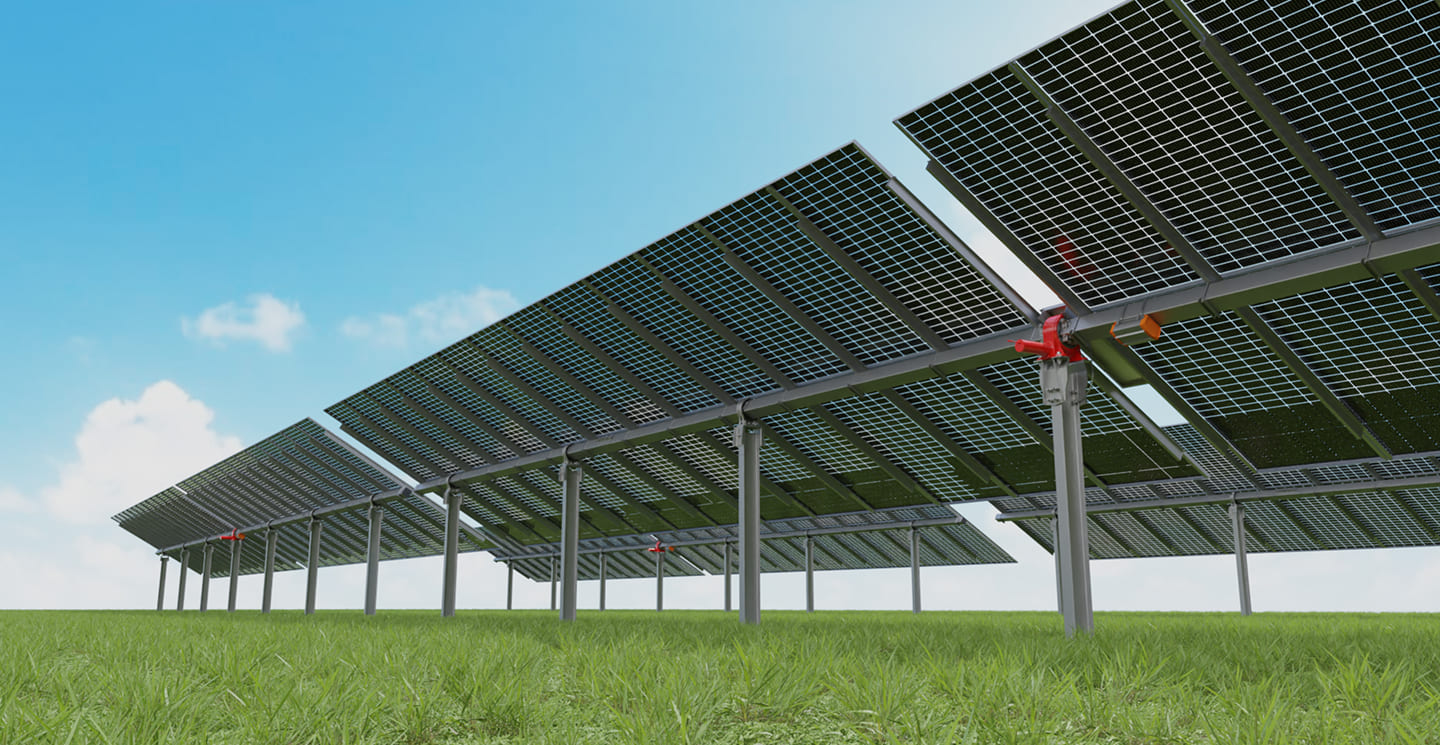
SF7: 2P solar tracker built to maximize energy density in large-scale projects
SF7 is our two-module-vertical (2P) tracking system, optimized to boost production per hectare, fit complex project layouts and cut piles per MWp.
Product description
The SF7 is the 2P tracker developed by Soltec, marketed since 2017 it’s our tracker with the greatest track record globally.
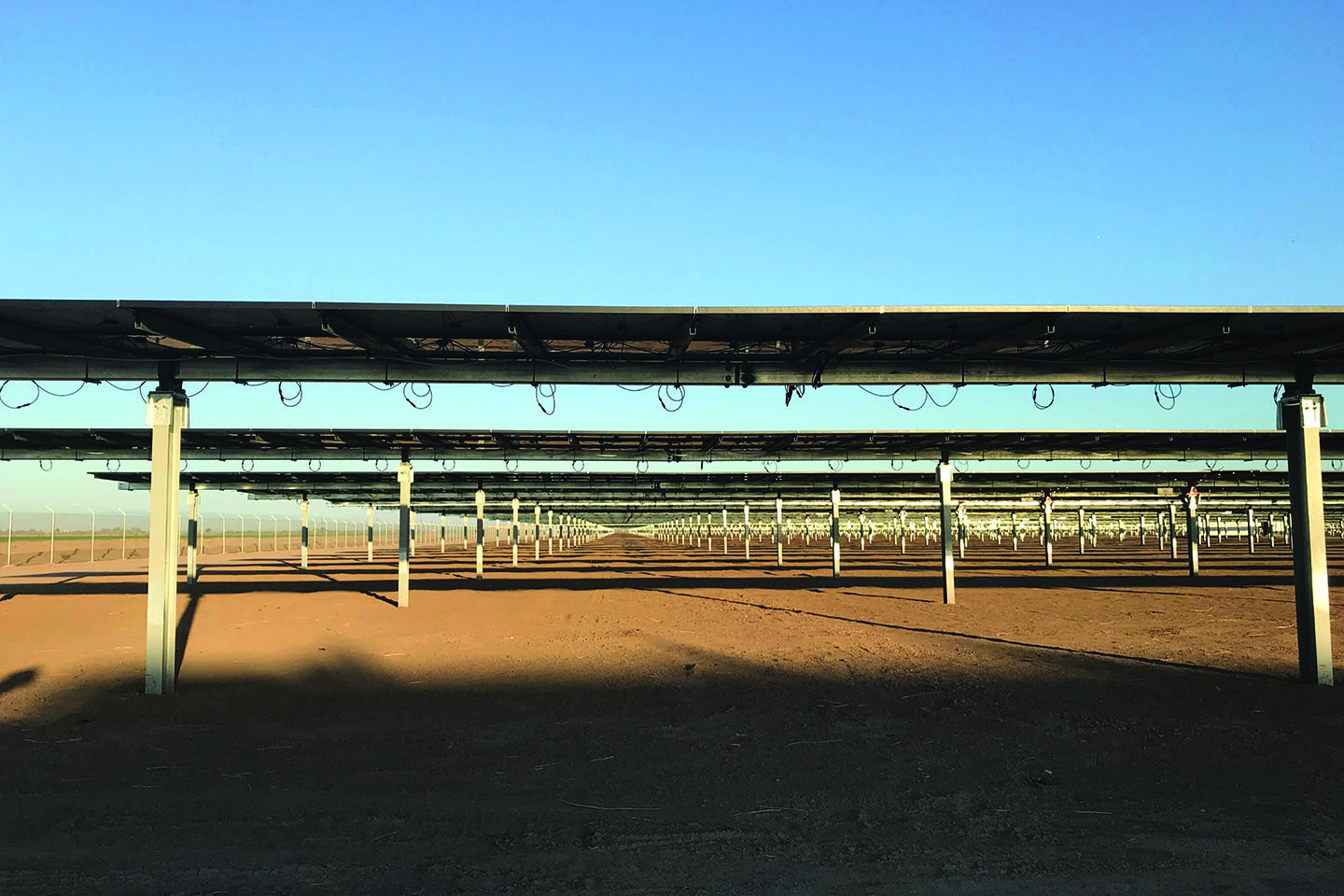
Its configuration achieves an installation density higher than 1P configuration trackers by around 5%, with better module cooling and higher bifacial gain thanks to the absence of elements that could cast shadows on the back of the photovoltaic modules.
Our tracker combines an optimized structure, sized and adjusted for each project, with a design that reduces component count, built to ease installation and minimize maintenance tasks, ensuring the system runs perfectly.
It’s compatible with all our production-boosting algorithms, Solboost, weather-event protection, SolDefense, and plant care, Solcare. It features a fully wireless communications system, Full Wireless, plus an autonomous power system based on its own battery and a dedicated photovoltaic panel.
Technical architecture
Fewer components per MWp
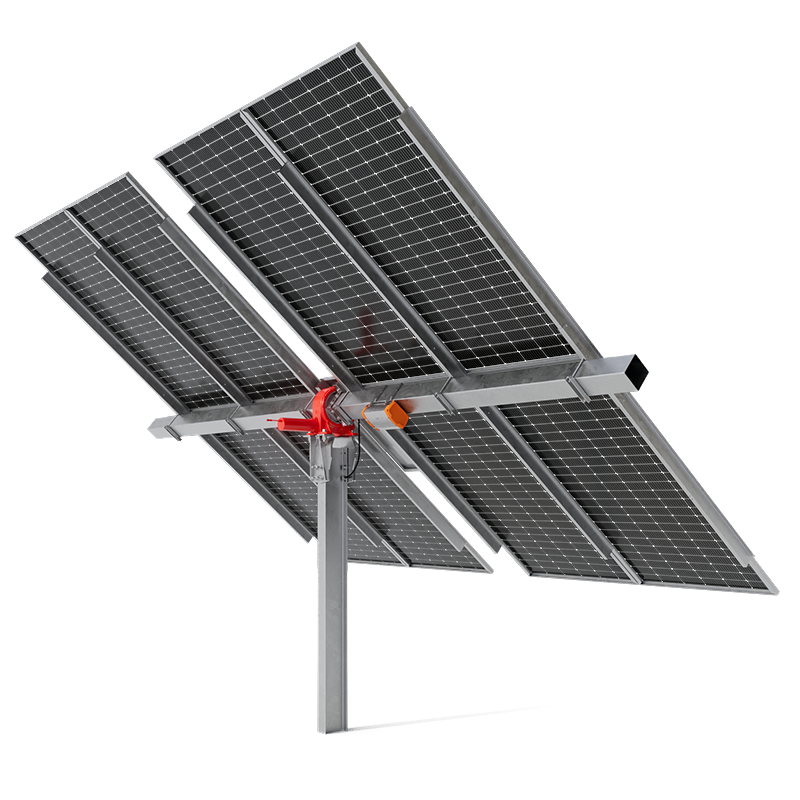
2P solar tracker (two modules vertical)
Max length up to 67m in single row
Drive capacity of up to 4 strings per row
Self-powered system via dedicated panel
Centralized control system (TMS)
Wireless communication (Full Wireless System)
Engineering and installation
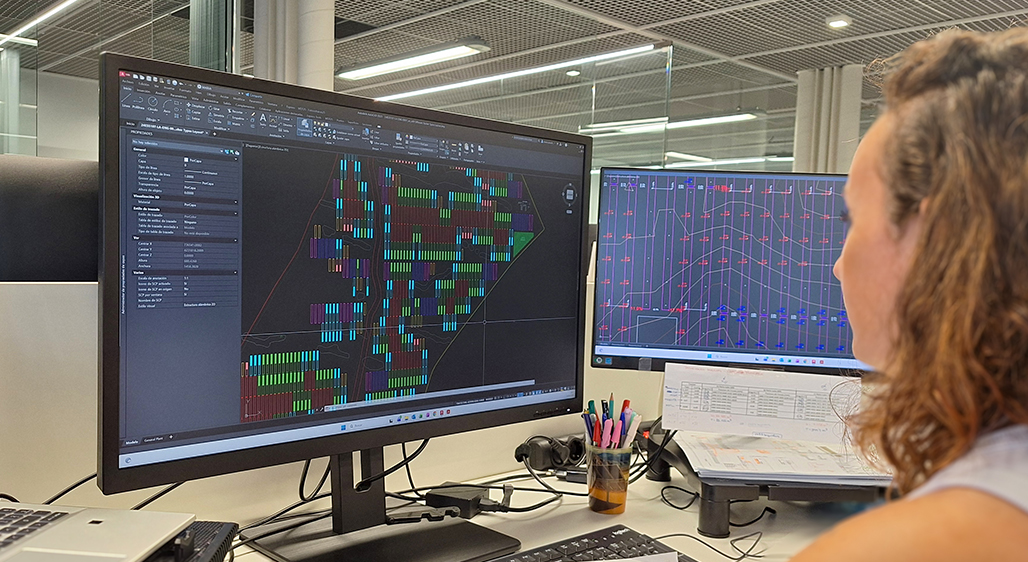
Soltec designs each project to its specific requirements, yielding competitive solutions for every case.
SF7’s structural design adapts to project needs, allowing fewer piles for installation vs other trackers depending on our clients’ needs.
This adaptable system design enables fast installation and significantly cuts assembly time.
The structural design, based on the independently certified Dy-WIND methodology, effectively and representatively evaluates both static and dynamic wind loads the tracker may face over its full service life.
The tracker’s installation process is built to require minimal resources, using only commercial tools.
Adaptability
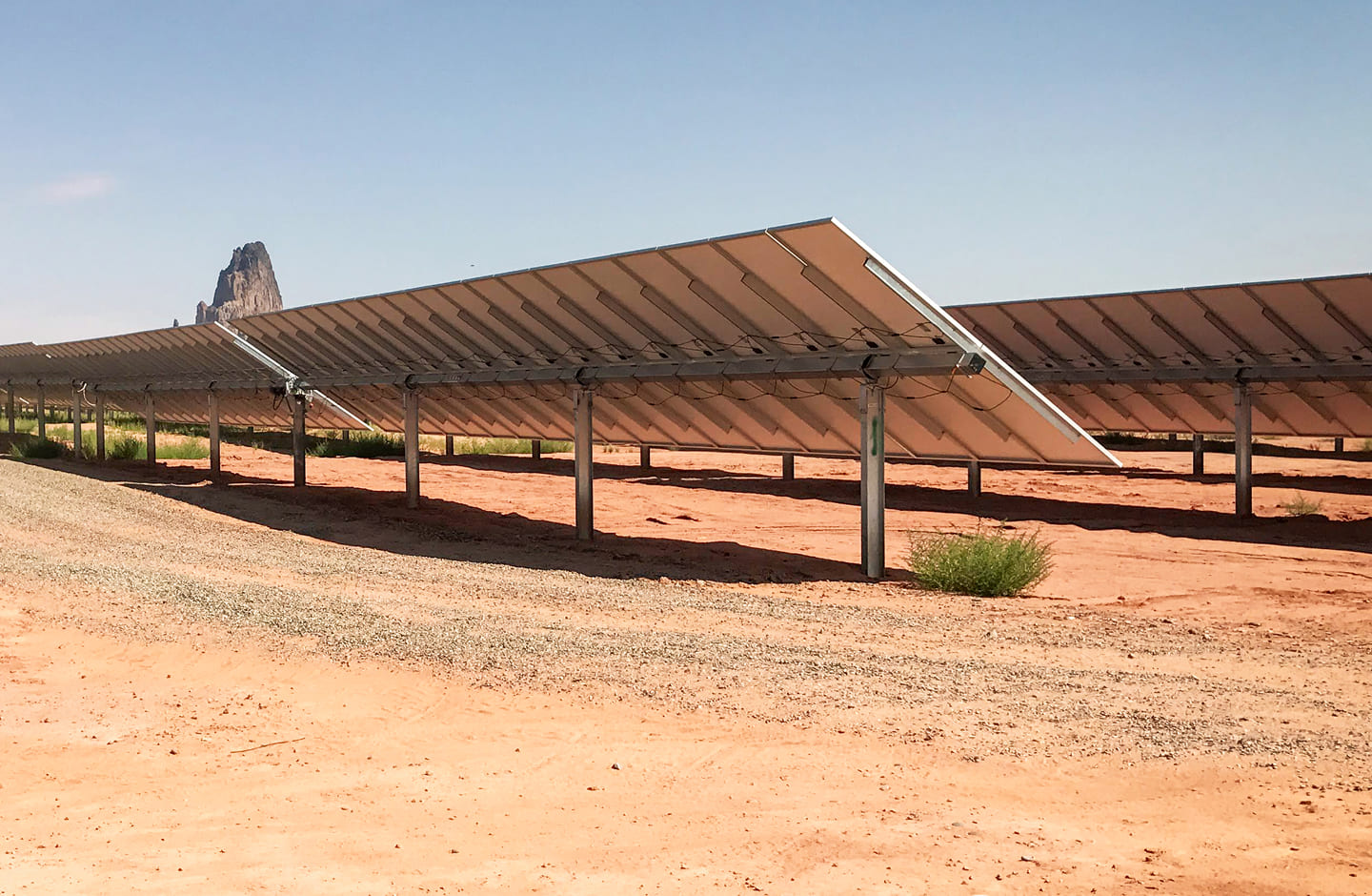
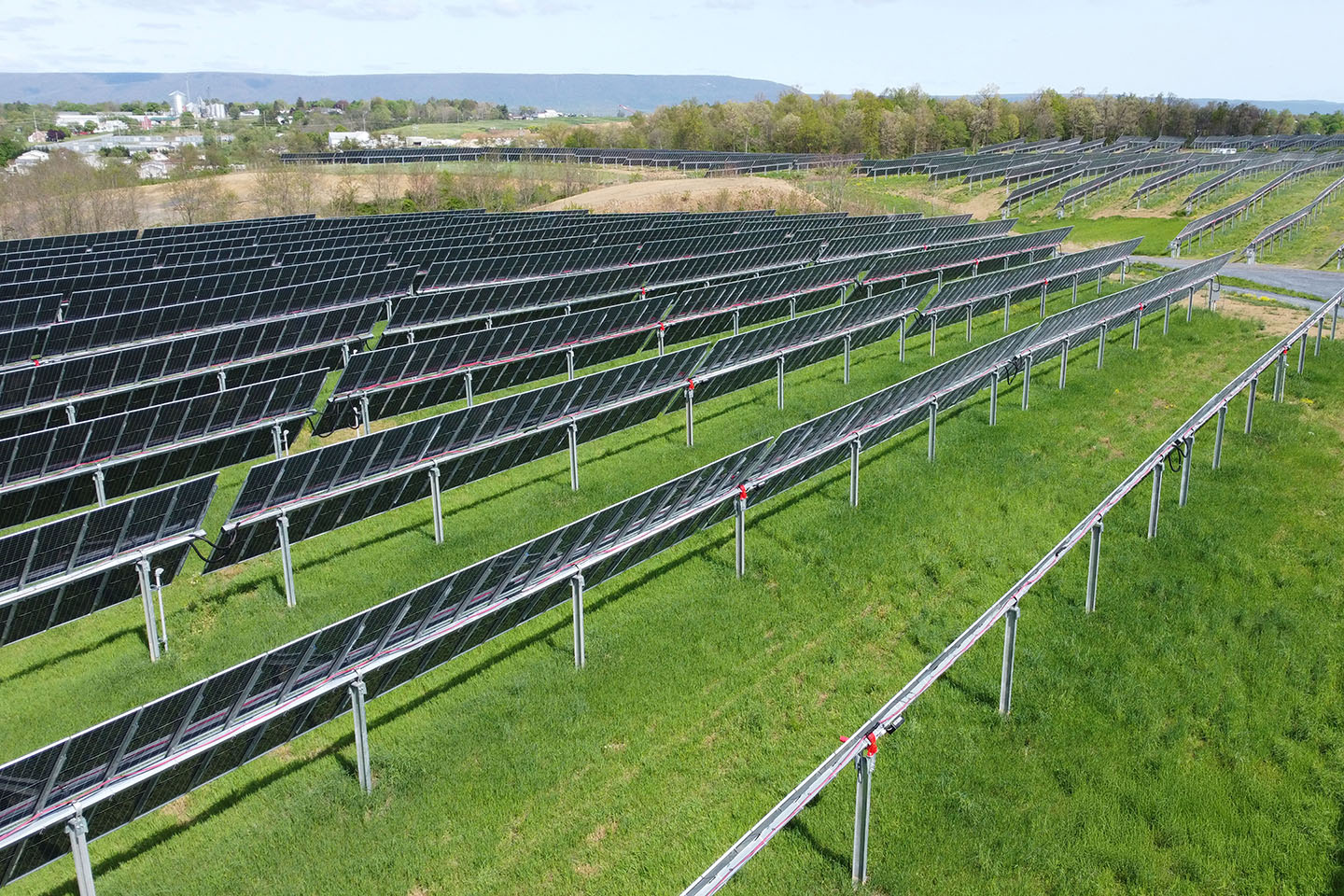
System built to adapt to varied terrain, installable — in both independent-row and double-row configuration — on East-West slopes up to 15% and North-South slopes up to 17%.


